
What Makes a Corporate Retreat Successful?
What do you think of when we say corporate retreat? Is it getting out of the office for a few days? Is it sitting together at a secluded beach resort, working on Adobe while listening to beach vibes in the background? Maybe it’s a team-building excursion where you’re hiking to a waterfall. Or maybe it’s just sitting in a house with a few coworkers, talking through the project you’re working on.
When done right, a corporate retreat helps teams reset, connect, and come back to the office stronger. When done wrong, they can feel awkward, forced, and like a missed opportunity. So what actually makes a corporate retreat successful? It comes down to planning, intention, and creating the right environment where people can focus, connect, and still enjoy themselves.
Clear Goals
I feel like I hear the word goals everywhere. People are always talking about goals coming up, but there’s a reason they keep getting mentioned. Every successful corporate retreat starts with clear goals. Without them, the retreat can feel scattered and unproductive, and no matter how nice the location is, it can end up being a waste of time.
Before anything gets booked or planned, companies should ask themselves what they actually want to get out of the retreat. Is the goal to work on the strategy? Build better team relationships? Onboard new team members? Reset after a busy season?
When everyone understands the purpose of the retreat, the schedule, activities, and conversations naturally fall into place. Even things like what people wear matter more than you’d think, because comfort and confidence affect how focused and engaged everyone feels.Clear goals don’t mean every hour needs to follow strict criteria. They simply give the retreat direction, so time isn’t wasted and people don’t leave feeling like it wasn’t worth going.

The Right Balance Between Work and Downtime
One of the biggest mistakes companies make is overloading the schedule. Meetings all day, followed by optional activities at night, can leave people drained. I know that would make me bored and annoyed.
Successful retreats balance focused work sessions with real downtime. This gives coworkers space to think, breathe, and connect outside of the meeting room. Work sessions should be purposeful and well-timed, while downtime should feel like actual downtime, not another obligation.
When people aren’t exhausted, they show up more engaged, focused, and ready to attack the task head-on.

Activities
Any activities you plan should be team-building, but not awkward. That means skipping the weird icebreaker games, because those can do more harm than good. A successful retreat encourages organic, natural interaction.
Have you ever talked to a coworker you’ve never really worked with and tried to start a conversation? Activities like a group hike or casual social time with a game going on help make those interactions feel easier. For a lot of people, even something as simple as talking about football is enough to get things going.
These moments create space for real conversation, not just surface-level networking in the workplace.
Leadership Participation
Now this part is more for corporate-level managers or people in leadership. Leadership presence matters, but how leaders show up matters even more. A manager might seem scary or uptight, but they like things just like everyone else.
When leadership is approachable, relaxed, and engaged, it sets the tone for the entire retreat. If leaders are constantly getting after everyone, the experience can feel miserable. But when they laugh, participate, and engage with the team, it becomes a win-win. Team members feel heard and valued when leadership participates instead of trying to dominate the experience.
Real Connection Beyond Job Titles
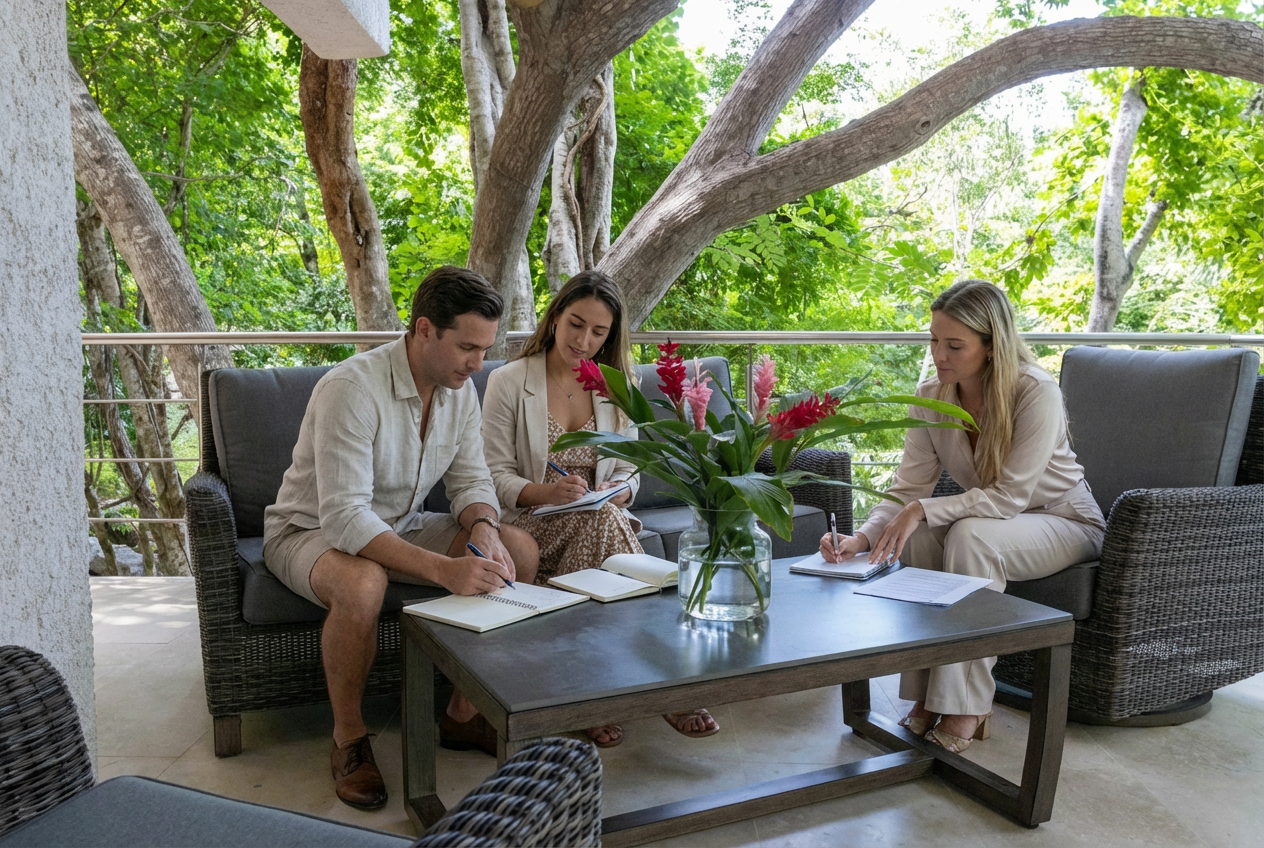
One of the biggest benefits of a corporate retreat is human connection, especially in a time when screens are our main form of communication. Studies show that when people see each other as more than just job titles, collaboration improves long after the retreat ends. Shared meals, casual conversations, and relaxed environments allow people to connect on a personal level. These connections build trust, improve communication, and strengthen team dynamics.
The Final Takeaway
The most successful corporate retreats don’t end when everyone goes home. They leave people feeling motivated, connected, and clear on what comes next. That might look like renewed team energy, clearer goals moving forward, stronger relationships, or a shared sense of direction. When people return to work feeling aligned and refreshed, the retreat has done its job.So what makes a corporate retreat successful? It isn’t luxury or flashy activities. It’s clarity, balance, comfort, and connection. When teams feel relaxed, valued, and focused, the results speak for themselves.